Joseph Baldwin Academy
2027 JBA Courses
JBA Session I:
Saturday, June 5 – Friday, June 25, 2027
3D Printing • Design Challenges • Build & Test • Create Your Own
What if you could imagine an object, design it on a computer, and then actually print it into existence? In this hands-on engineering course, you’ll explore the world of 3D design and additive manufacturing as you turn your ideas into real, functional objects.
You’ll start by learning how engineers and designers take accurate measurements, sketch ideas, and recreate objects using digital design software. Then you’ll use Autodesk Fusion and 3D printers to bring those designs to life. Along the way, you’ll learn how 3D printers work, how to prepare a design for printing, and what to do when your first attempt doesn’t turn out quite the way you planned.
And you’ll make plenty of things. Design challenges may have you creating toys, tops, pencil or flash-drive holders, car accessories, signs, or even a working catapult for a LEGO figure. You’ll test your creations, figure out what works, make improvements, and print again—just like engineers do when developing real prototypes.
You’ll also have opportunities to take your creativity further by designing a larger project of your own. Past students have created everything from crowns and dice towers to custom plaques and completely original objects. You’ll discover how 3D printing is being used in fields ranging from engineering and manufacturing to medicine and dentistry, and explore careers that use these technologies.
Whether you’re interested in engineering, computers, inventing, building, or simply making cool things, come ready to design, experiment, problem-solve, and turn your ideas into something you can actually hold in your hands.
Instructor
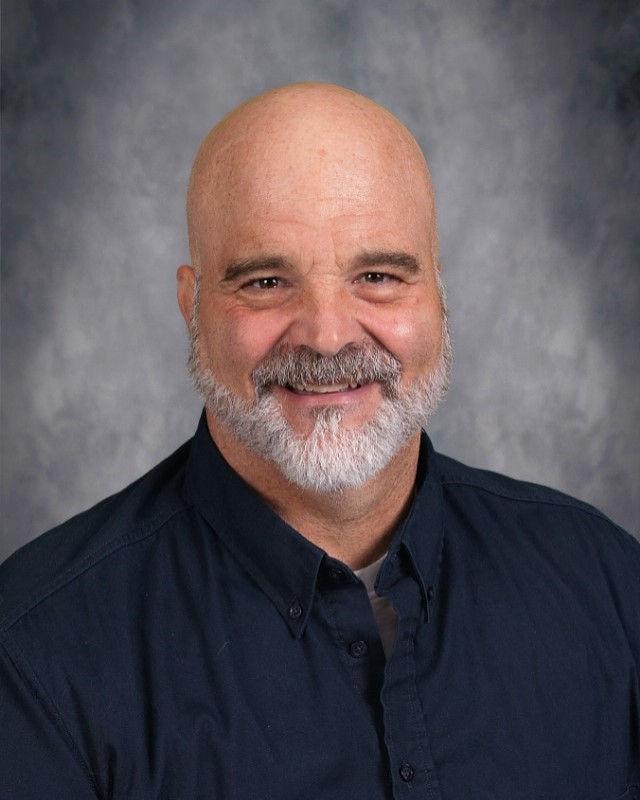
Professor Rich Chapman, Project Lead the Way Instructor – Kirksville Area Technical School, Visiting Faculty – Truman State University
B.S. Psychology, Truman State University, M.A.E., University of Missouri, St. Louis
Grow It • Cook It • Preserve It
Where does your food really come from—and what does it take to get it from the soil to your plate? In this hands-on course, you’ll explore the entire journey of food by growing it, harvesting it, cooking it, and finding ways to preserve it for later.
You’ll get your hands in the soil as you learn how fruits and vegetables are grown, what plants need to thrive, and why healthy soil matters. You’ll also explore how livestock is raised and discover how farmers make decisions about caring for animals, managing land, and producing the food we eat every day.
Then, take what you’ve learned into the kitchen. You’ll turn fresh ingredients into food you can actually eat while building practical cooking skills and becoming more confident preparing meals. You’ll also experiment with traditional and modern food-preservation techniques such as fermentation, drying, and canning, discovering the science behind keeping food safe and extending its shelf life.
Beyond the classroom, you may visit local farms and agricultural operations to see how food is produced on a larger scale and learn about different approaches to farming and sustainability. Along the way, you’ll consider how choices made on farms can affect our food, communities, and environment.
Whether you already love gardening or cooking—or have never grown a tomato or prepared a meal on your own—come ready to plant, harvest, experiment, cook, taste, and discover what it really takes to bring food from farm to table.
Instructor

Professor Josh Kraft, Instructor in Agricultural Science, Tuman State University
Mythical Creatures • Sewing • Soft Sculpture • Mold Making
What happens when mythology meets art, sewing, and sculpture? In this hands-on studio art course, you’ll use fabric, sewing machines, sculptural materials, and your imagination to design and build your own creatures. Inspired by legendary creatures from cultures around the world, your creation might become an eldritch horror, a cuddly new friend, or somehow manage to be both!
You’ll explore myths and the creatures within them, asking questions like: What makes something a monster? Why are we fascinated by creatures that combine humans, animals, and other beings? You’ll research a mythological creature, imagine what might happen if it appeared in our world today, and use these ideas to inspire your own creations.
Then it’s time to bring your creatures to life. No sewing experience is necessary. You’ll learn the basics of using a sewing machine and quickly progress from simple forms to designing your own patterns and constructing more complex creatures. Rather than simply following premade patterns, you’ll learn to experiment, make adjustments, and figure out how to turn your ideas into finished creations.
You’ll also experiment with techniques from textile art, sculpture, and even the movie and prop industry. Projects may include soft-sculpture creatures, movable jointed creations, polymer clay details, and molds of your own hands cast in rubber or foam. You’ll even discover how old jeans, shirts, and other fabrics can be transformed into art through creative upcycling.
Along the way, you’ll build skills in sewing, sculpture, mold making, and creative problem-solving. By the end, you won’t just have a collection of one-of-a-kind creatures—you’ll have the confidence to look at your next creative challenge and think, “I can figure this out.”
Instructor
 Professor Danielle Yakle, Assistant Professor of Art, Sculpture and Fibers, Truman State University
MFA, 2010, University of Kansas, Textile Design
BFA, 2005, Truman State University, Studio Art – Sculpture and Fibers
Danielle currently teaches at Truman State University in Kirksville, Missouri. She heads the Sculpture and Fibers areas, as well as instructing Intro to Art students in the creation of public art projects.
As an artist she works primarily in soft sculpture and multimedia installation. Her work includes elements of viewer participation and is intended to incite feelings of discovery but also frustration. Many of her pieces are crafted from handmade, wool felt and the highly tactile and hide-like quality of this material is a driving factor in her creative practice. Much of her research focuses on the dyeing properties and structural possibilities of wool and other fibers. Recently she has begun to explore life casting and the tactile qualities of polyurethane foams and resins.
Big Data • AI & Predictions • Coding • Find the Story
Can data predict what a baseball pitcher will throw next? How does an AI system make decisions? What can companies learn about you from the information they collect? Data science is about finding patterns, making predictions, and uncovering the stories hidden inside enormous amounts of information.
In this hands-on course, you’ll become a data detective, working with real-world datasets to ask questions and see what the evidence reveals. You might explore data connected to sports, health, business, the environment, technology, or a topic you choose. And sometimes the most interesting discovery isn’t the answer—it’s realizing what the data doesn’t tell you.
You’ll combine math, computer science, creativity, and communication as you learn how real data scientists work. Using tools such as the R coding language, spreadsheets, and Microsoft Power BI, you’ll clean messy data, create visualizations, build models, spot patterns, and make predictions. You’ll even explore how models and artificial intelligence “think,” including what they can do well—and where they can get things wrong.
Along the way, you’ll tackle questions about AI, big data, and the information all around us. Can artificial intelligence be creative? How can the same data tell different stories depending on how it is presented? What makes a great data visualization? You’ll discover that data science isn’t always about finding one “right” answer—it’s about asking better questions and figuring out what the evidence can support.
No coding or data science experience is needed. If you like solving puzzles, asking “why?”, finding patterns, computers, AI, sports stats, science, business—or figuring out how things work—bring your curiosity and see what the data can reveal.
Instructor
 Dr. Tetyana Beregovska, Assistant Professor of Statistics and Data Sciences, Truman State University
Ivano-Frankivsk Oil and Gas Institute, Ukraine; University of Missouri, MA in Economics; MA in Statistics, Ph.D. in Economics
Dr. Beregovska teaches both Statistics and Data Science courses to undergraduate students and Data Science courses to graduate/master’s students. Her research interests are primarily in applied econometrics with focus on spatio-temporal statistical modeling. She has done research on economic development and regional economics.
DNA to Traits • Bioethics • Real Lab Work
What makes you who you are? Start with DNA. In this hands-on genetics course, you’ll move beyond reading about DNA and actually work with it in the lab. You’ll explore how genes are organized, how they determine traits, and what happens when genes or their expression change.
You’ll investigate DNA from the molecule up, building a giant DNA model, examining chromosomes in dividing cells, and learning how genetic information is copied and passed along. Then you’ll explore what genes do and how scientists study them. In the lab, you’ll genetically modify bacteria to produce different colored pigments and use your bacteria as “paint” to create living art. You’ll even isolate your own DNA and use PCR, a technique used in real genetics laboratories, to look for a specific sequence within your genetic code.
You’ll also explore one of today’s most powerful genetic technologies: CRISPR gene editing. You’ll learn how CRISPR can target specific areas of DNA and use what you’ve learned to investigate genes associated with conditions such as cystic fibrosis, sickle cell anemia, and coronary heart disease.
But just because we can change or analyze DNA, does that mean we always should? You’ll tackle questions surrounding genetic privacy, genetic information in medicine, gene editing, and genetic discrimination. You’ll examine different perspectives, consider the scientific evidence behind them, and work with your classmates to develop your own Genetic Bill of Rights.
Expect real biotechnology, hands-on experiments, plenty of discovery, and some big questions about how genetics could shape our future.
Instructor
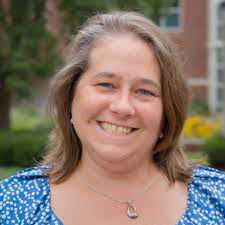 Dr. Sarah Berke, Assistant Professor of Biology, Biology Department, Truman State University.
B.A., Biology and Psychology, Augustana College, Rock Island, Ill.; Ph.D., Neuroscience, University of Iowa, Iowa City, Iowa
Fitness & Performance • Strength Training • Exercise Science • Nutrition
How can you become stronger, improve your endurance, and understand what your body needs to perform at its best? In this active, hands-on course, you’ll explore the science behind physical fitness while trying a wide variety of ways to get moving. From weight training and cardio kickboxing to aqua aerobics, Drum Fit, and dance, you’ll experience different types of exercise while learning how each one affects your body and overall health.
You’ll explore the major components of physical fitness, including cardiovascular endurance, muscular strength and endurance, flexibility, and body composition. Through fitness testing and activities using dumbbells, barbells, kettlebells, stability balls, and more, you’ll learn how to apply the FITT principle and use your own results to build an effective exercise plan.
Fitness isn’t just about workouts. You’ll investigate how nutrition, hydration, motivation, recovery, and everyday choices affect your health and performance. You’ll examine food labels, explore how to build balanced meals, and learn strategies for setting goals and making positive changes that can actually stick.
You’ll also get moving through folk, line, and ballroom dance, discovering how dance combines physical activity with history and culture. You may even research a dance, choose music, and teach your classmates the moves!
Whether you already love being active or simply want to discover new ways to move, this course is about finding activities that work for you. You’ll leave with a better understanding of your body, practical tools for building healthy habits, and new ways to make physical activity part of your life.
Instructor
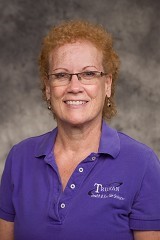 Professor Melody Jennings, Instructor in the Health and Exercise Sciences, Truman State University
B.S., Physical Education, Truman State University; M.A., Teaching of Physical Education, Truman State University
Professor Jennings teaches several classes in Exercise Science including Curriculum & Instruction in Physical Education, Fundamental Movement and Tumbling, Rhythmic Activity and Dance, Introduction to Exercise Science, Lifetime Fitness and Conditioning, Health & Wellness Psychology and numerous dance electives depending on the semester. Professor Jennings also sponsors Momentum Ministry, and serves on two scholarship awarding committees. Beyond life at Truman, Professor Jennings owns and operates the Melody’s School of Dance & Tumbling in Kirksville.
Marketing & Management • Entrepreneurship • Money Smarts
Have you ever wondered what it takes to turn a great idea into a real business? In this hands-on course, you’ll explore how businesses work from the inside out—from developing an idea and attracting customers to managing money, making decisions, and working as a team.
You’ll dive into marketing, management, entrepreneurship, finance, and accounting while tackling some of the same questions business owners face every day. What makes people choose one product over another? How do you decide what to charge? What makes a great advertisement? How do businesses know whether they’re actually making money? You’ll put these ideas into practice as you work with classmates to develop, plan, and ultimately operate a small business venture of your own.
Along the way, you’ll also build personal finance skills you can start using now. You’ll explore budgeting, saving, spending, and making smart financial decisions while learning how the choices you make today can help you reach future goals.
Whether you dream of starting your own business someday, are curious about how companies make decisions, or simply want to become smarter about money, this course gives you the chance to learn business by doing business.
Instructor
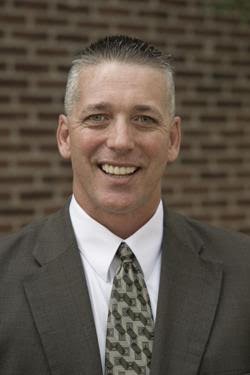 Professor Jim Bergman, Instructor of Business Administration, Truman State University
B.S., Business Administration, Truman State University; M.B.A., William Woods University
Outdoor Adventure • Leadership • Team Challenges • New Skills
What kind of leader are you when the trail gets challenging, your canoe needs to work as a team, or your group has a problem to solve? In this active, hands-on course, the outdoors becomes your classroom as you build leadership, confidence, communication, and problem-solving skills through outdoor recreation and group challenges.
You’ll try a wide variety of activities that may include hiking, canoeing, fishing, archery, golf, tennis, disc golf, orienteering, campfires, outdoor cooking, and more. You might learn to navigate with a compass, pitch a tent, tie useful knots, identify Missouri wildlife, tackle an obstacle course, or put your skills to the test in a canoeing challenge. Along the way, you’ll discover outdoor activities you may want to continue long after JBA.
Leadership is woven into everything you do. Through team challenges, outdoor activities, and daily reflection, you’ll explore different leadership characteristics and discover how communication, critical thinking, cooperation, and decision-making can change the way a group works together. Sometimes you’ll lead, sometimes you’ll follow, and sometimes your team will have to figure things out together.
This course uses a “challenge by choice” approach—you’ll be encouraged to step outside your comfort zone, try something new, and challenge yourself while respecting your own abilities and limits. You don’t need outdoor experience or special skills to join in.
Whether you already love outdoor adventures or want to try something completely new, come ready to get outside, take on challenges, build new skills, be physically active each day, and discover what kind of leader you can become.
Instructor
 Dr. Julene Ensign, Truman State University Department Chair, Associate Professor of Exercise Science
M.A.E., Physical Education; B.S., in Kinesiology, University of Illinois; M.S., Therapeutic Kinesiology, University of Illinois; Ph.D., Kinesiology Pedagogy, University of Illinois
Dr. Ensign teaches courses related to Truman’s MAE in Physical Education. She holds a PhD in Kinesiology Pedagogy from the University of Illinois as well as a K-12 Physical Education Teaching License and a Personal Training Certification. Julene’s primary line of research focuses on the socialization, efficacy, and teaching performance of beginning physical educators. Outside of work, Julene enjoys spending time with her family, golfing, biking, and rooting for the Green Bay Packers.
World Myths • Gods & Heroes • Fantasy Deity League • Old Stories, New Takes
Why have stories about gods, monsters, heroes, and the creation of the world survived for thousands of years? From Greek epics and Norse sagas to Maya creation stories and Chinese legends, you’ll travel across cultures to explore some of humanity’s oldest, and most unforgettable stories.
You won’t just read myths; you’ll learn to look at them from different perspectives. Could a myth have been an ancient explanation for something people didn’t yet understand? What does it reveal about the culture that created it? Why do different people interpret the same story differently? Through reading, discussion, videos, art, performances, and modern retellings, you’ll explore what myths meant to ancient audiences and why they continue to influence today’s books, movies, television, games, and popular culture.
Throughout the course, you’ll also build your own team for the Fantasy Deity League, drafting gods, heroes, monsters, and other mythical beings from Greek, Norse, Maya, and Chinese traditions. Research your players, create trading cards, track their accomplishments—and their failures—and compete in challenges to earn points for your team. Who would be the best mythical being to handle a particular problem? Who helped humanity the most? Who deserves a penalty for being uniquely awful? Be ready to make your case!
Along the way, expect plenty of interactive fun, from Toga Tuesday and mythology challenges to storytelling, quick performances, puzzles, and an escape room. You’ll practice retelling stories, collaborate with classmates, and ultimately put your own spin on mythology by creating an original retelling.
If you love mythology already—or enjoy great stories, fantasy, history, games, debate, or discovering how ancient ideas keep showing up in the modern world. Come ready to read, question, compete, create, and decide which legendary beings truly deserve a place among the greats.
Instructor
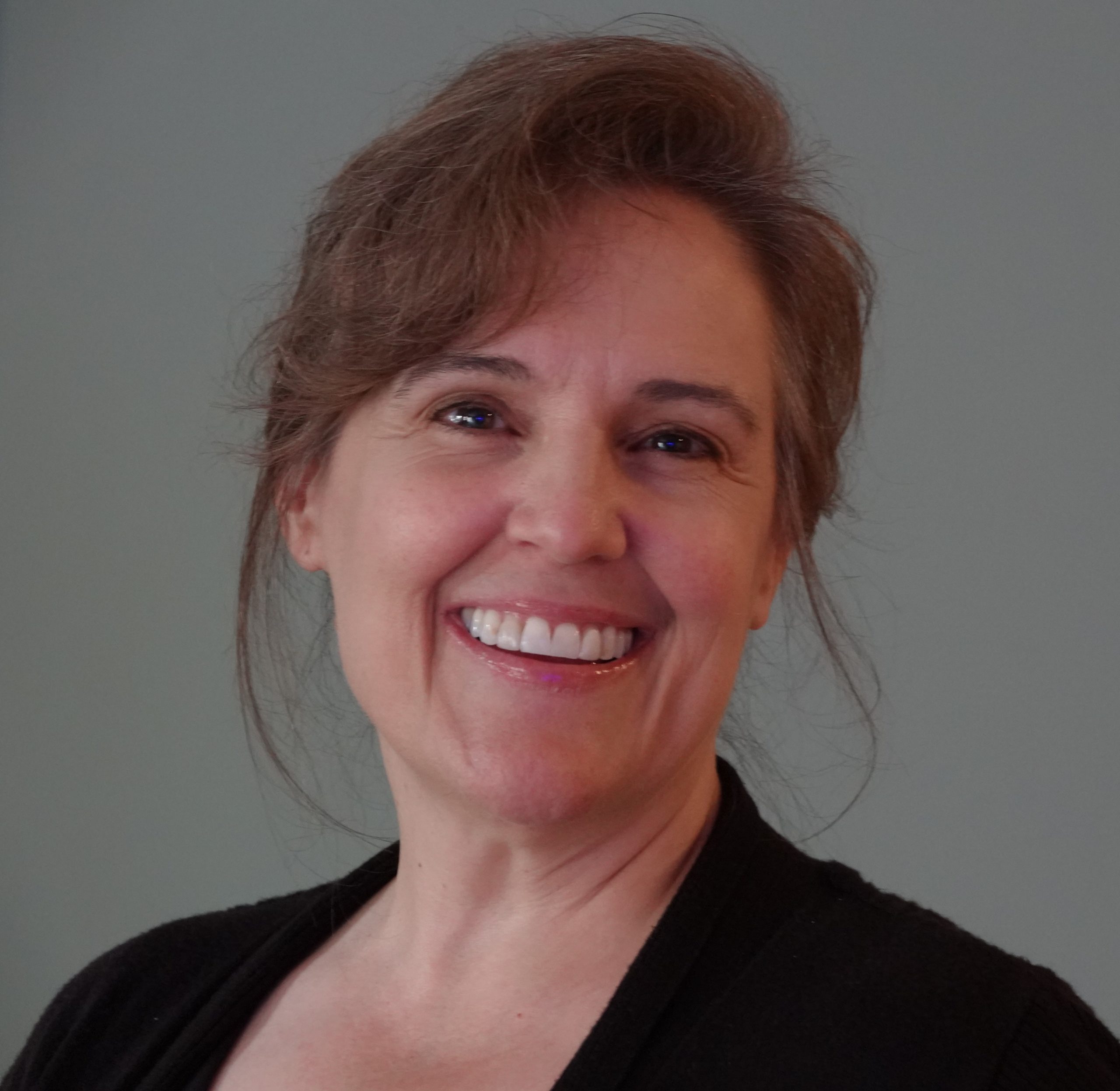 Professor Wendy Doman, English/Spanish Teacher, Kirksville High School, former adjunct English MACC, former consultant Truman State University
B.A. English, Brigham Young University; M.A. English University of Kansas
Rock Band • Songwriting • Live Performance
Ever wondered what it would be like to be part of a band? In School of Rock, you won’t just study popular music, you’ll make it. Over three weeks, you and your classmates will come together as a band, developing your sound, rehearsing music, and preparing to take the stage for a live performance.
Along the way, you’ll explore the history and evolution of popular music and discover how different artists, genres, and musical styles have influenced the songs we listen to today. You’ll listen critically to music, analyze live performances, and consider what makes a song or performance connect with an audience.
Then you’ll put those ideas into practice. As a class band, you’ll write, arrange, rehearse, and perform music, learning how individual musicians work together to create a unified sound. You’ll experiment with songwriting and musical ideas, develop performance skills, and discover what happens behind the scenes as a group prepares music for an audience.
Already play guitar, drums, piano, bass, or another instrument? Great! Love to sing? Bring your voice. Interested in music but don’t have much performance experience yet – prior musical experience is helpful but not required; what matters most is a willingness to participate, experiment, collaborate, and make music.
The course culminates in a live concert, giving you the chance to take everything your band has created and rehearsed and share it with an audience. Come ready to make some noise, try new things, and see just how much a band can accomplish in three weeks.
Instructor
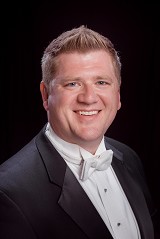
Dr. Curran Prendergast, Director of Bands and Associate Professor of Music at Truman State University
B.A. Music Education, Central College (IA); M.A. in Band Conducting, University of Iowa; Doctor of Musical Arts in Wind Conducting, University of Georgia
Dr. Prendergast is the Director of Bands and Associate Professor of Music at Truman State University where he guides all aspects of the band and graduate instrumental conducting programs. He conducts Wind Symphony I and II, directs the Statesmen Marching Band, and teaches undergraduate and graduate music education and conducting courses.
Brain Science • Hands-On Labs • Real Experiments • Model Organisms
How does your brain allow you to move, remember, feel, and make sense of the world around you? In Neurobiology, you won’t just learn about the nervous system—you’ll become a scientist and investigate it through hands-on experiments, dissections, and real physiology techniques.
You’ll begin by exploring the brain itself, learning its major structures and how different areas control sensation, movement, thought, and behavior. You may examine a real human brain, dissect a sheep brain, explore brain sections, and investigate how neurons use electrical signals called action potentials to send information at incredible speeds.
Then you’ll actually watch neurons and muscles in action. Using physiology equipment, you’ll record electrical signals, investigate how neurons communicate, and explore the connections between the nervous system and muscles. You might even conduct the famous “Zombie” experiment, using signals from your own muscles to cause someone else’s fingers to move!
Throughout the course, model organisms such as worms, flies, and mice help you investigate questions that neuroscientists study in real laboratories. You’ll form hypotheses, conduct experiments, collect evidence, and explore topics such as sensory systems, movement, learning and memory, brain-body connections, and neurotechnology. You’ll also discover how researchers are developing prosthetics and neuroprosthetics that connect with the nervous system to restore movement or sensation.
There’s a lot of science here, but don’t worry if it’s all new to you. You’ll receive plenty of guidance as you build your knowledge and laboratory skills step-by-step. No previous neurobiology experience is expected.
Your three most important jobs? Pay attention, ask questions, and have fun. Come ready to experiment, explore, and discover just how amazing the brain really is.
Instructor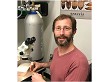
Dr. Brett Berke, Assistant Professor of Biology, Truman State University.
B.S., Electrical Engineering, University of Illinois, Urbana-Champaign; Ph.D., Neuroscience, University of Iowa; Post-Doctoral Fellowship, Yale University
JBA Session II:
Monday, July 5 – Sunday, July 25, 2027
Painting • Printmaking • Fiber Arts • Mixed Media
Love making art, or want the freedom to experiment with new ways of creating? In Art Making and Mixed Media, the studio is your place to explore. You’ll work with painting, printmaking, fibers, drawing, and other materials while discovering how different techniques can be combined to create artwork that is completely your own.
You’ll build skills while making art from the very beginning. You might hand-sew your own sketchbook, experiment with color and composition, learn embroidery techniques, create prints, paint, and combine materials in unexpected ways. As you gain experience, you’ll have more opportunities to make creative choices and develop your own ideas rather than simply following a set of instructions.
This course is also about learning to think like an artist. You’ll experiment with new materials and processes, take creative risks, solve problems when an idea doesn’t work as expected, and discover that successful art doesn’t have to be perfect. You’ll look at the work of other artists for inspiration and explore how contemporary artists turn ideas, materials, and experiences into meaningful artwork.
Over three weeks, you’ll create enough original work to begin building your own art portfolio—a collection that showcases your growing skills, ideas, and artistic voice.
Whether you already spend your free time making art or simply want to try something new, come ready to paint, print, stitch, experiment, get a little messy, and see where your creativity takes you.
Instructor
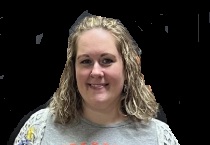
Professor Megan Hines, Instructor of Art, Kirksville High School, Truman State University Visiting Faculty
M.A. Art Education, Boston University, Boston MA; B.A. Studio Art, Graceland University, Lamoni, IA
Professor Hines is a Missouri Art Education Association council member, having also exhibited and won several awards. She has been selected as the Missouri Secondary Art Educator of the Year and presents at state art education conferences annually. With a BA in studio art, her concentration was in painting and photography. Recently, she has been working in fibers and has been the recipient of numerous other awards and juried exhibits. Prior to working in the Kirksville community, Professor Hines has served as an adjunct art instructor for Graceland University, Indian Hills Community College, and North Central Missouri College. Hines is currently with North Central Missouri College as their Fine Arts Instructor and Coordinator.
13.8 Billion Years • History Meets Science • Big Questions
What can history tell us when we start at the very beginning? In this course, you’ll use historical thinking to explore the entire timeline of existence, from the Big Bang to modern civilization. Guided by Maps of Time by David Christian, we’ll trace major turning points that shaped humanity while drawing on insights from astronomy, biology, geology, and environmental science to fill in the larger story. Through reading, discussion, and research, you’ll discover how connecting history with science helps us better understand where we come from and where we might be headed.
Instructor
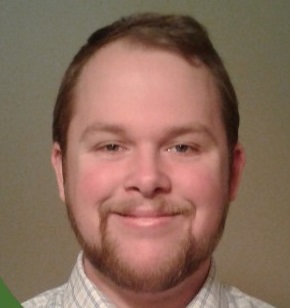
Professor Andrew Peake, Truman State University Visiting Faculty
B.A. History, and M.A.E. History/Social Sciences, Truman State University.
Professor Peake was the 2018-2019 Director of the Joseph Baldwin Academy, a former high school social studies teacher and now is an Associate Software Developer, Federal Reserve Bank of St. Louis.
Hands-on Labs • Chemical Reactions • Big Questions • Scientific Discovery
How do we know atoms exist if we can’t see them? Why can matter seem to change almost magically? And how can a color change, a gas, or a flame give us clues about what’s happening at the atomic level? In this hands-on course, you’ll explore these questions by doing chemistry, not just reading about it.
Through frequent laboratory experiments and interactive activities, you’ll investigate matter, atoms, gases, chemical reactions, and other foundational concepts. You’ll observe reactions firsthand, collect and analyze data, and use evidence to figure out what is happening—even when the answer isn’t immediately obvious.
Along the way, you’ll discover how some of chemistry’s biggest ideas developed. How did scientists figure out things they couldn’t directly see? What experiments changed the way we understand matter? You’ll connect important discoveries from the past with experiments you can perform in the lab today.
You’ll also learn to work like a scientist by practicing safe laboratory techniques, collaborating with classmates, making careful observations, using math to interpret results, and clearly explaining what your evidence tells you.
Expect plenty of color changes, fizzing, reactions, and even some flame—all explored safely in the lab. Come ready to experiment, ask questions, and discover just how much chemistry is happening in the world around you.
Instructor
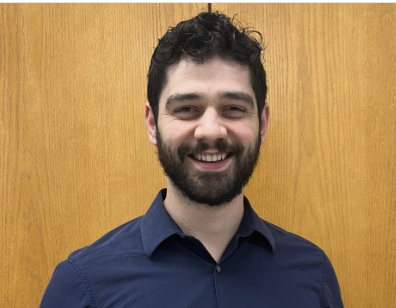
Professor Daniel Floyd, Instructor of Science, Kirksville High School, Truman State University Visiting Faculty
B.S. Chemistry, and M.A.E. Secondary Education, Truman State University.
Graphic Novels • Visual Literacy • Create Your Own
Comics aren’t just for kids; they’re a powerful way to tell any story. Guided by Scott McCloud’s Understanding Comics, you’ll learn how words and pictures work together, read a range of texts like Ms. Marvel, Maus, and Nimona, and discuss what they reveal about identity and culture. Daily work includes reading, writing, discussion, and making your own pages—no art background required.
Instructor
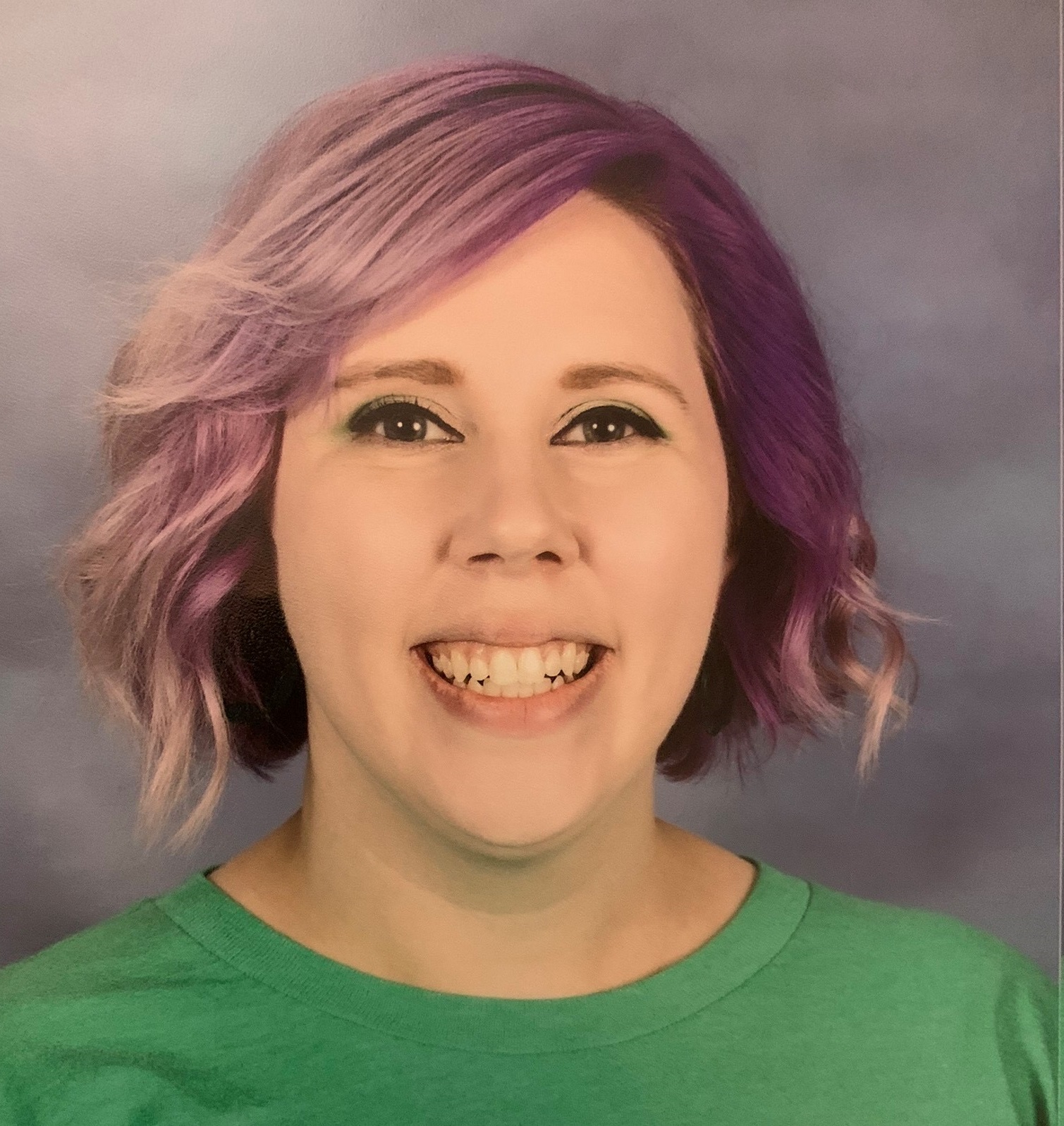
Rachel Brown, Instructor of English, Winnetonka High School, Truman State University Visiting Faculty
B.A. English, Truman State University; M.A.E. English, Truman State University.
Cryptography • Codebreaking • Logic • Problem-Solving • Mathematics
Can You Keep a Secret a Secret?
Suppose you need to get an important message to your best friend Remington, but you are afraid your arch-nemesis, Sly—a master of cryptanalysis—might intercept it and read it for his own evil purposes. How can you encode your message so Sly cannot decipher it?
Or imagine you need to establish secret communications with your ally Natasha, but the only communication channel available can be accessed by anyone. How can the two of you agree—out in the open—on a way for Natasha to encrypt her message so that only you can decipher it?
In this course, we will explore the mathematics of cryptology, from famous methods of encryption dating back more than two thousand years to the age of Caesar to the high-tech methods used to secure communication on the internet today. Students will have plenty of opportunities to create, encrypt, decipher, and break codes as we investigate the mathematics and logic behind keeping information secret.
We will also explore dramatic historical events in which cryptography played a key role, including the breaking of the German Enigma code during World War II. Along the way, we will discover how methods of cryptanalysis helped scholars interpret Egyptian hieroglyphics and examine unusual approaches to secure communication, including the use of the Navajo language during World War II.
Finally, we will peer into the future and consider one of cryptography’s newest challenges: quantum computing. Could quantum computers someday break the codes we rely on today? And if so, how will we keep our communications secret?
Instructor
 Dr. Tony Vazzana, Professsor of Mathematics, Truman State University
B.S. Mathematics, Notre Dame University; Ph.D. Mathematics, University of Michigan
Dr. Vazzana earned a Bachelor’s of Science degree from the University of Notre Dame in 1993 and Ph.D. from the University of Michigan in 1998. He enjoys teaching a wide range of classes from our introductory Quantitative Reasoning course to our upper level theoretical courses. He is particularly interested in the areas of algebra, number theory, and cryptography, and has advised a number of capstone projects in these areas and others. In recent years, he has also developed an interest in actuarial science, and to better empathize with students in this track, he has begun taking the exams in the Society of Actuaries ASA Pathway. After 20 years away from taking tests of any kind, he was surprised to discover how much his heart was racing at the start of the first exam. In his spare time, he likes to golf and run. He’s not particularly accomplished at either, but he can at least complete a round of golf very quickly.
Movie Music & Iconic Scores • Discover How Music Changes a Scene • Create Your Own Film Score
Why does a melody make a scene unforgettable? Explore the powerful connection between film and music as you watch and analyze movies and their soundtracks, discovering how composers from Korngold and Herrmann to Williams, Portman, and Zimmer use melody, harmony, rhythm, and orchestration to create emotion, build suspense, develop characters, and transport audiences to another time and place.
You’ll experience film and music beyond the classroom through a theater screening, a studio tour, and a field trip to the Walt Disney Hometown Museum, where you’ll explore the life, imagination, and storytelling legacy of Walt Disney. Back on campus, you’ll screen selected films and scenes and examine how their soundtracks work alongside the images and story.
Then, put what you’ve learned into action! Your final projects include creating and scoring your own short film and designing a film-music trivia board game that puts your new soundtrack knowledge to the test.
Instructor
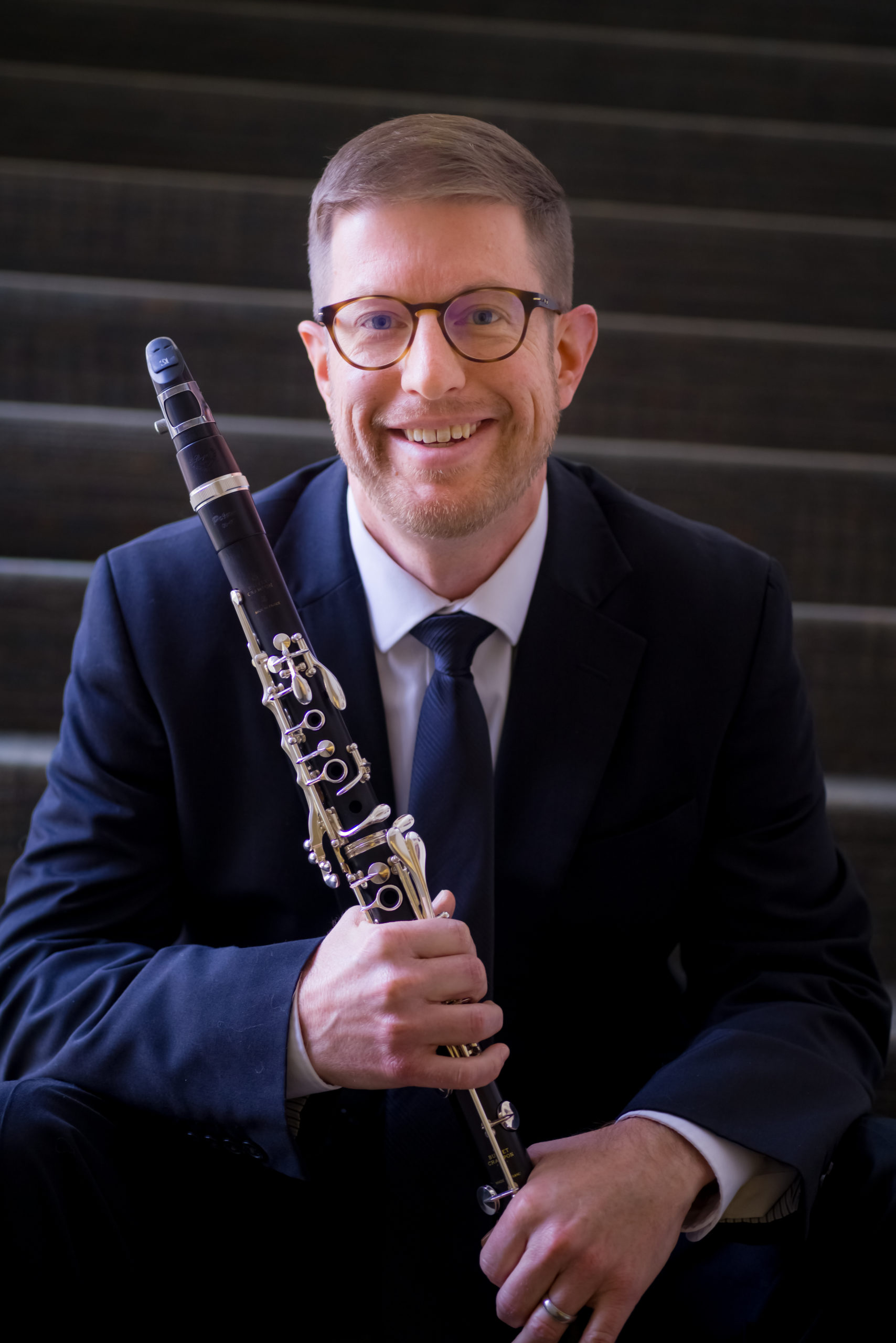 Dr. Jesse Krebs, Professor of Music, Clarinet, Truman State University
Krebs has performed guest recitals in Costa Rica, England, Thailand, Ireland, and throughout the United States. He joined the music faculty at Truman State University in 2005. In addition to instructing the clarinet studio and directing the Truman Clarinet Choir, he teaches the Music and Political Protest Junior Interdisciplinary Seminar. Before coming to Kirksville, he was the Clarinet Instructor and the Director of Chamber Winds at Bainbridge College in Georgia, and he served on the summer faculty for the Cultural American Music Program in the Florida Keys. With colleague Dr. Xin Gao, he hosted the inaugural American Single Reed Summit at Truman in 2018. Dr. Krebs frequently performs as a substitute with the Kansas City Symphony and has been featured as a concerto soloist with the North Carolina, Central Florida, and Southeast Iowa Symphony Orchestras.
B.M.E., University of North Carolina at Greensboro; M.M., University of North Texas; D.M., Florida State University
Acting or Backstage Tech • Full Production • Musical Finale
Step into the world of theatre—onstage or backstage! Whether you love performing, creating behind the scenes, or simply want to try something new, there’s a role for everyone. You’ll explore theatre history, acting and rehearsal techniques, stage makeup, costumes, sets, props, lighting, sound, and other technical roles while working together to prepare a full theatrical production.
You’ll also take a field trip to experience a professional stage performance and see how all the pieces of a production come together in a professional setting. Then, bring what you’ve learned back to JBA as you and your classmates rehearse, design, build, and prepare for your own final performance.
No theatre experience is needed—just an open mind, a willingness to try, and a desire to be part of the show!
Instructors
B.A., Theatre, Truman State University; M.A.T., Educational Theory, University of Central Missouri
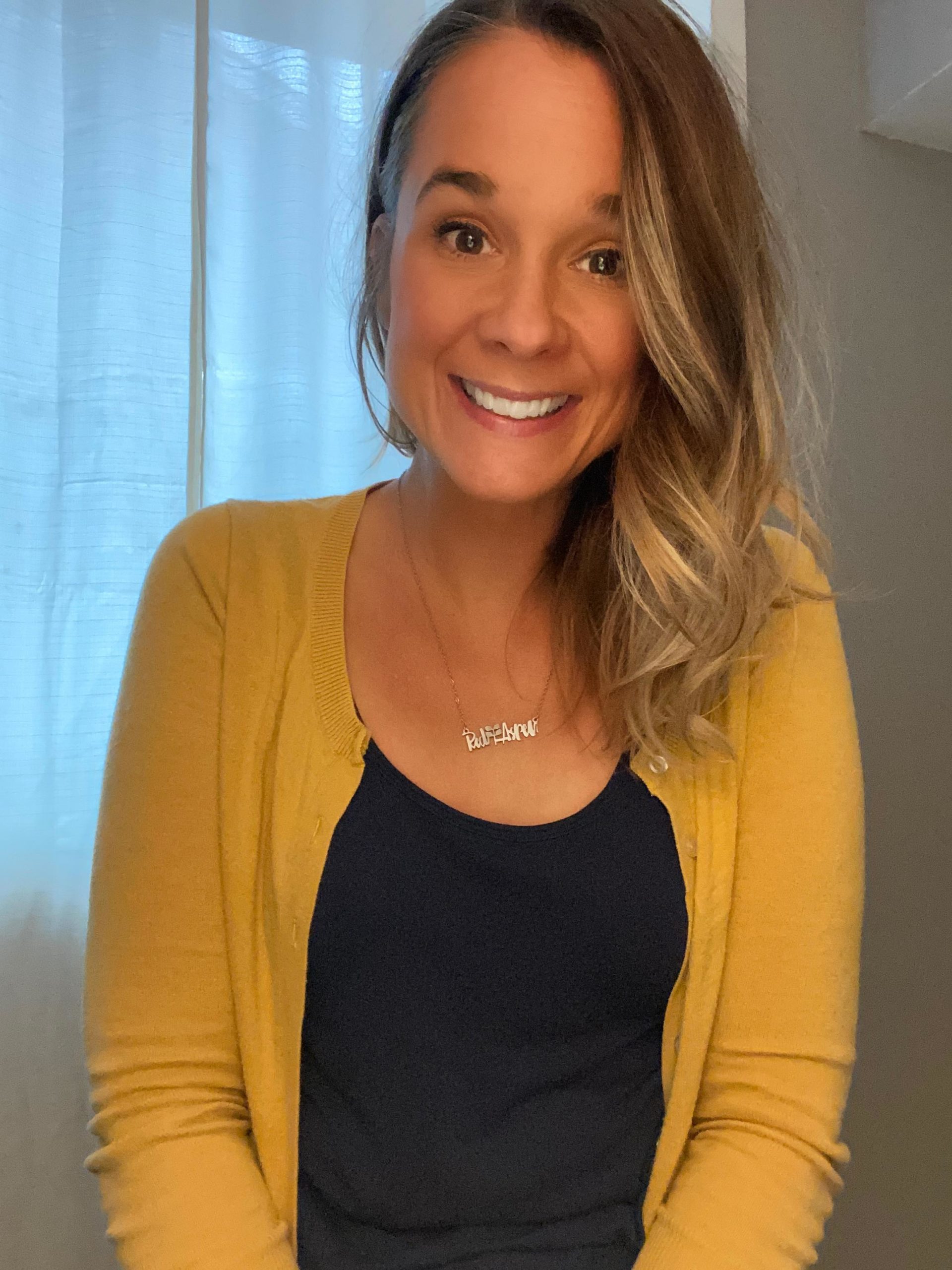
B.A., Theatre and English, Truman State University; M.A.E., Secondary English, Truman State University
Monsters & Movies • Decode the Fear • Survive the Disaster
What can Godzilla, zombies, vampires, and masked slashers tell us about the real world? More than you might think! Horror movies don’t just show us what scares people, they can reveal what entire cultures were worried about when those monsters first appeared.
In this course, you’ll watch and explore horror movies from different eras and become a detective of the genre. Why did a giant radioactive monster emerge in 1950s Japan? Why did slashers take over movie screens decades later? What makes zombies, vampires, and other monsters keep coming back? You’ll look beyond the jump scares to uncover how filmmakers use monsters, villains, suspense, sound, and storytelling to reflect real-world fears—and how those fears change over time.
Of course, watching a disaster unfold on screen raises another important question: Would you know what to do differently? Through hands-on challenges and emergency scenarios, you’ll learn practical disaster-readiness and survival skills, practice making decisions under pressure, and discover why horror movie characters so often make exactly the wrong choice.
Finally, you’ll step behind—or in front of—the camera to create a PSA-style short film that combines horror, filmmaking, and real-world emergency preparedness. Want to act? Bring a costume and get in front of the camera. Prefer to stay behind the scenes? There are plenty of ways to help create the film.
Come ready to watch closely, think differently, get creative, and find out what our monsters are really trying to tell us.
Instructor
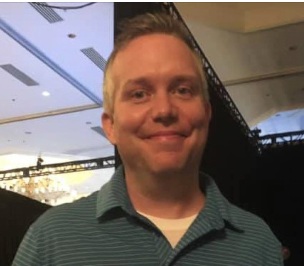 Professor Tyler Unsell, Director of Debate and Forensics, Park Hill School District. Truman State University Visiting Faculty
B.A., Truman State University. M.A.E., Truman State University.
Music & the Brain • Play & Experiment • Discover Why Music Moves Us
Why can a song get stuck in your head? Why does music make you feel happy, energized, nervous, or even give you chills? And what exactly is happening inside your brain when you listen to—or make—music?
In Notes & Neurons: The Psychology of Music, you’ll explore the fascinating connection between music, the brain, and human behavior. Through listening experiments, live and recorded performances, discussions, and hands-on activities, you’ll investigate how your brain hears and processes sound, why certain combinations of notes affect us differently, how music influences emotion and memory, and why humans are drawn to making music in the first place.
You won’t just study music—you’ll make it! Using ukuleles, keyboards, and your own voice, you’ll experience firsthand how your brain learns a new musical skill and adapts as you practice. Whether you’ve been making music for years or have never played an instrument, you’ll be able to experiment, learn, and challenge yourself at your own level.
You’ll also explore how music is used in movies and other settings to influence what we feel, discover what happens when people make and experience music together, hear from guest musicians, and even get an up-close look at real brains in a biology lab.
No advanced musical experience is required—just curiosity about music, people, and the amazing ways your brain makes sense of sound.
Instructor
 Dr. Mark Jennings, Professor of Music, Director of Choral Activities, Truman State University
Train Smarter • Sports Science • Body & Mind • Test What Works
What does it really take to become faster, stronger, more powerful, or better prepared for competition? In Sport Performance, you’ll explore the science behind athletic performance and discover why effective training involves much more than simply working harder.
You’ll investigate strength and conditioning, anatomy, nutrition, hydration, sports psychology, injury prevention, and recovery while learning how each can affect performance. Through hands-on activities and assessments, you’ll explore how the body responds to exercise, practice measuring different aspects of fitness and performance, and learn how athletes use data to identify strengths and areas for improvement.
Then you’ll put the science to work. You’ll learn how to set meaningful performance goals and design training based on the needs of a particular athlete or sport. Why might a sprinter train differently from a distance runner? Does a basketball player need the same type of strength and conditioning as a swimmer? You’ll consider factors such as strength, speed, endurance, flexibility, and recovery as you build smarter training plans.
You’ll also explore the mental side of sports, including motivation, focus, confidence, and goal setting, and investigate how wearable technology and other tools can help athletes track performance and make training decisions.
Whether you’re an athlete looking to understand your own performance, interested in coaching or sports medicine, or simply curious about what the human body can do, come ready to move, measure, experiment, and discover how science can help athletes train smarter.
Instructor
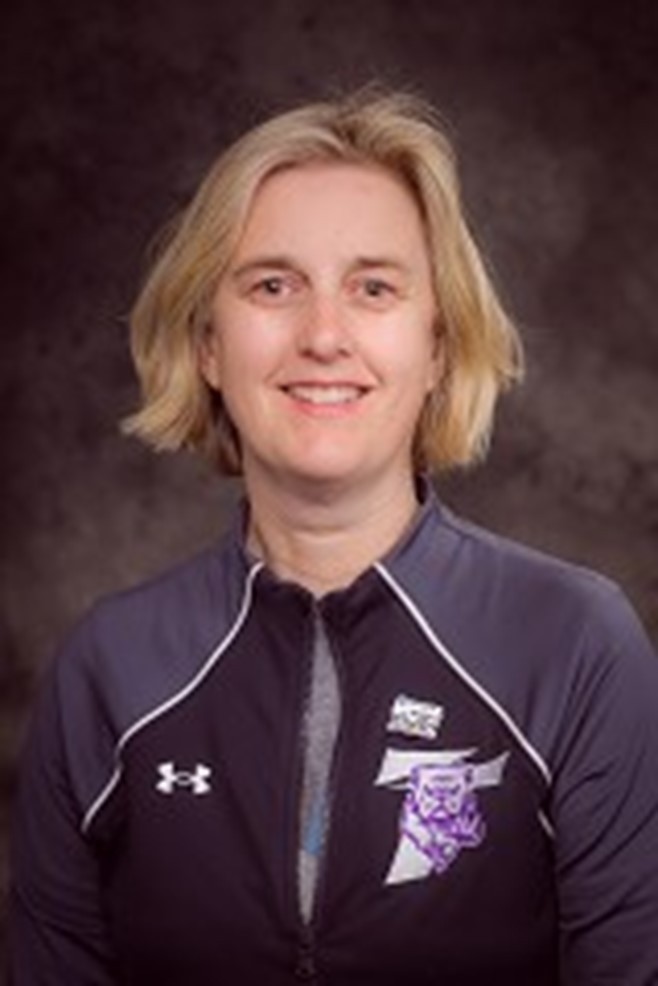 Professor Jorn is from just south of London, England and was originally recruited to Truman as a student to run track and cross country. Now, Professor Liz Jorn is a member of the Health and Exercise Sciences faculty since the fall of 2000. She is the faculty advisor for Cardinal Key National Honor Society, Student Athlete Advisory Committee and students pursuing the Sport and Recreation Management concentration, while also being actively involved in the planning and supervision of the internship/practicum program for Exercise Science. In addition to her roles on campus, Professor Jorn is also the Faculty Athletics Representative representing Truman with the GLVC and NCAA, serving as the chair of the GLVC Steering Committee, and a member of the NCAA Academics Requirements Committee.
MA in Education-Exercise Science, Truman State University
BS, Exercise Science, Truman State University